




Shea Butter Cream vs Lotion: When Extra Emollients Win
As winter settles in, skin often starts to feel tighter, drier, and less comfortable. Cold outdoor air holds less moisture, while indoor heating pulls hydration from the skin even faster. Skincare products that worked well in warmer months may suddenly feel less effective, leaving skin rough or irritated.
This is when many people begin searching for a better winter moisturizer for dry skin. One common question arises: Should you use shea butter cream or a shea butter body lotion?
While both support hydration, they work differently. Understanding how and when to use each can make winter skin care simpler and more comfortable.
How Winter Weather Dries Out Skin
Winter creates a perfect storm for dry skin. Cold air outside contains less humidity, which increases moisture loss at the skin’s surface. Inside, heating systems lower indoor humidity even further, making it harder for skin to stay balanced.
As moisture escapes, the skin’s barrier weakens. This often results in tightness after washing, flaking on arms or legs, or hands that feel rough despite frequent moisturizing. Even people who don’t usually struggle with dryness may notice changes once temperatures drop.
In winter, skin doesn’t need softness, but support. Moisturizers help slow moisture loss and reduce discomfort caused by constant exposure to dry air. Choosing the right texture becomes especially important during colder months, when hydration needs change throughout the day.
Why Moisturizer Texture Matters More in Winter
During winter, applying more product isn’t always the solution. Texture plays a larger role than quantity.
Lighter formulas absorb quickly but may not provide lasting comfort in cold conditions. Richer textures sit on the skin longer, helping reduce moisture loss, but can feel heavy if used at the wrong time. Winter skin care works best when texture matches the moment.
Texture affects:
- How long does moisture stay on the skin
- How does skin feel under clothing
- Whether hydration lasts or fades quickly
Understanding this makes it easier to choose between lotion and cream without having to guess. Rather than relying on skin type alone, winter routines work better when they adapt to time of day, activity level, and exposure to dry air.
A winter moisturizer for dry skin often needs to balance quick daytime comfort with longer-lasting protection. For a simple, feel-good routine, read our skin care ritual for winter.
Why Shea Butter Works So Well in Winter Skin Care
Shea butter is a winter staple for a reason. Sourced from the nuts of the shea tree, it’s naturally rich in fats that help soften skin and support moisture retention.
What makes shea butter useful in winter is how it behaves once applied. Instead of evaporating quickly, it forms a gentle, breathable layer that helps maintain hydration. This makes it well-suited for cold weather, frequent hand washing, and low-humidity environments.
Shea butter is also widely appreciated for its soothing rather than harsh properties. It offers richness without feeling overly active, which is why it’s commonly used in products designed for dry, winter-worn skin. Whether blended into a lotion or a cream, it provides steady comfort when skin needs it most.
If your face feels especially tight or flaky in colder months, our Hydrating Face Cream is a gentle option for daily barrier support.
Shea Butter Cream: When Skin Needs Extra Comfort
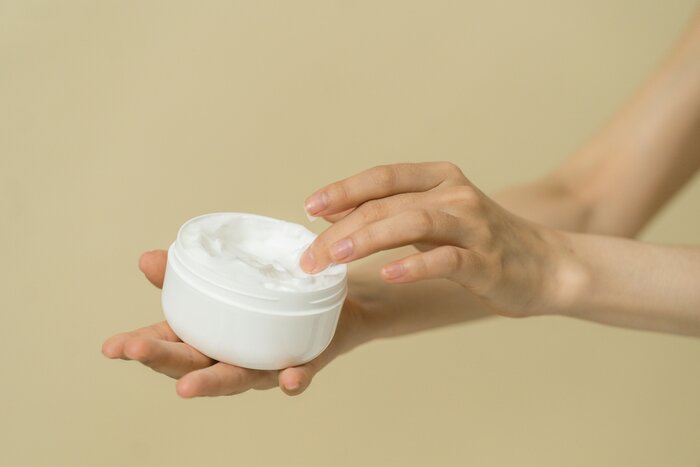
Our shea butter restoration cream is designed for times when winter dryness feels persistent or concentrated. Creams are thicker than lotions and typically contain less water, giving them a richer texture and longer-lasting feel on the skin.
This denser consistency allows creams to create a more protective layer, helping reduce moisture loss in cold, dry conditions. They’re invaluable for areas that take the most wear during winter, including:
- Dry, cracked hands or knuckles
- Rough elbows, knees, or heels
- Nighttime routines
- Cold, windy days or frequent washing
Because creams are more concentrated, a small amount often goes a long way. They work best when skin needs sustained comfort rather than quick absorption.
If your hands are the worst hit, Hazelwood’s winter hand repair plan with shea butter cream walks you through it step by step.
Shea Butter Body Lotion: Everyday Moisture Without Heaviness
Our shea butter lotion offers hydration with a lighter feel, making it easier to use throughout the day. Lotions contain more water than creams, which helps them spread easily and absorb quickly.
This makes lotion excellent for larger areas like arms, legs, and the back. Applied after bathing, while skin is still slightly damp, it helps seal in moisture without leaving residue behind.
Lotion works best for:
- Morning routines
- Post-shower hydration
- All-over daily moisture
- Situations where quick absorption matters
Even in winter, lotion plays an important role in keeping skin comfortable, especially when heavier products feel impractical during the day.
Cream vs. Lotion: Choosing Based on Your Day, Not Just Your Skin
Many winter skin care guides frame the choice as cream for dry skin and a lotion for normal skin. In reality, the better question is how your day is structured. Thinking in terms of cream vs lotion makes it easier to adjust your winter skin care routine without overcomplicating it.
Morning: Lightweight Comfort That Moves With You
If you shower in the morning and get dressed soon after, a shea butter body lotion is often the better choice. Its lighter texture absorbs quickly, making it easier to moisturize large areas without waiting for the product to settle. This matters when layering clothes or heading outdoors shortly after applying.
A lotion is recommended when:
- You’re moisturizing your arms, legs, and torso
- You’ll be moving, commuting, or layering clothing
- Skin feels dry but not irritated
Evening: Longer-Lasting Care When Skin Can Rest
At night, your skin doesn’t need to absorb quickly—it needs to recover. Shea butter cream is better suited here, especially after frequent handwashing or cold exposure. Its thicker texture helps reduce overnight moisture loss and keeps skin comfortable for longer stretches.
Using lotion during the day and cream at night isn’t overdoing it, but it’s responding to how winter affects skin over a full day.
How to Build a Simple Winter Moisturizing Routine
Winter skin care doesn’t need more steps. It needs better timing and consistency.
Step 1: Moisturize While Skin Is Slightly Damp
Applying lotion or cream right after bathing helps seal in moisture before it evaporates into dry winter air. This small timing shift often makes a noticeable difference.
Step 2: Match Texture to the Moment
Use lotion for daytime routines, full-body moisture, and quick absorption. Use cream for nighttime care, hands and feet, and areas exposed to cold or frequent washing.
Step 3: Prioritize High-Stress Areas
Hands, heels, elbows, and knees lose moisture faster in winter. Giving these areas extra attention, especially in the evening, helps prevent cracking and discomfort.
Step 4: Stay Consistent
Regular, moderate application works better than occasional heavy use. Winter routines succeed when they’re easy to repeat, not when they feel complicated.
Let Your Skin Set the Pace
Give your skin the care it craves with Hazelwood Soap Co. and settle into the kind of winter moisture that actually lasts. Whether you’re looking for a daily defense against cold-weather dryness or a soothing finish after every shower, the right routine can keep skin soft, calm, and comfortable all season.
If you want an easy, everyday option that fits naturally into your morning or post-shower rhythm, Hazelwood’s Shea Butter Body Lotion provides the steady work your skin craves. Treat yourself to handcrafted hydration, lean into the comfort, and enjoy that smooth-skin feeling that makes winter a little easier.