



Damp-Skin Moisturizing: The 60-Second Hydration Trick
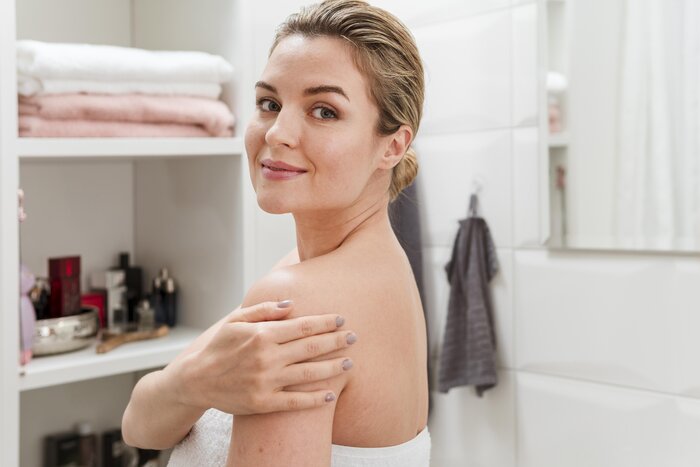
Some habits stick because they work. One of the simplest is to lock in moisture after your shower while your skin is still slightly damp.
That brief window, right after you step out, helps creams spread more easily, absorb better, and stay comfortable longer. The difference is most noticeable when cooler, drier weather rolls in and indoor heat starts to hum.
Why Damp Skin Makes a Difference
Right after bathing, water rests on the surface and within the upper layers of skin. If you moisturize on damp skin, you seal in moisture that would otherwise evaporate while you towel off or get dressed.
Think of soil after a light rain: damp ground holds what you add, while dry ground sheds it. Skin behaves the same way. Emollients glide more evenly, humectants bind water where you need it, and you end up using less product with better results.
This isn’t a new routine so much as a new order. You’re already reaching for a towel. The tweak is to pat instead of rub, then apply before your skin fully dries. Keep the bottle where you’ll use it so the step becomes automatic.
The 60-Second Window: Timing Is Everything
Skin starts losing water almost immediately after a shower. The best moment to lock in moisture after your shower is within the first minute, ideally, the first few seconds, while your skin still looks dewy.
You may have heard of the 3-minute rule skincare tip, but in practice, sooner is better. If you miss the window by a minute, don’t stress. Apply as soon as you remember and stay consistent.
Here’s how to make the habit stick:
- Keep your body lotion near the towel or sink as a visual cue.
- Pat skin dry, not rub, so a light film of water remains.
- Smooth on a comfortable layer while arms and legs are still a little damp.
Set the Shower Up for Success
What you use in the shower sets the stage for your post-shower routine. Keep water warm, not hot, and keep the rinse brief. A 5-10 minute shower is enough for daily cleansing without stressing the barrier. Choose a gentle cleanser so the lotion that follows has less to fix and more to maintain.
If you need a steady, non-stripping base, try our Hand & Body Wash to leave skin clean and comfortable before you step out.
You might also find our Fall Shower Routine guide for softer, healthier skin helpful.
A Quick Routine That Fits Busy Mornings
You don’t need extra steps, just a smarter order. Think in three moves: pat, apply, and spot-seal only where needed.
- Pat skin dry, do not rub. Leave a whisper of water on the skin.
- Apply a cream to damp skin. Use thin, even layers that glide easily.
- Spot-seal if needed. Add a tiny occlusive for elbows and shins or any rough patch that loses water fast. For stubborn areas, a lightweight body oil can sit over cream just on that spot.
Finish with soft, breathable layers so you don’t wipe away what you’ve just applied. For a dependable finisher that works well with this method, reach for Shea Butter Lotion right after you blot.
Ingredients That Help Lock In Hydration
Better results come from functions, not hype. Use this plain-English map of humectant vs emollient vs occlusive so labels feel simple:
- Humectants pull water toward the skin. Look for glycerin and hyaluronic acid near the top of the ingredient list. They shine when you apply them to damp skin.
- Emollients soften rough edges so skin feels flexible rather than tight. They help a cream glide smoothly without leaving a heavy film.
- Occlusives form a light seal that slows water loss. Petrolatum and dimethicone are common and effective. Use a tiny amount on the driest zones.
Texture tips:
In dry seasons, a ceramide body cream often outperforms thin lotions because it clings better and supports the barrier. If you’re easily irritated, a fragrance-free body lotion is a smart everyday base with fewer scent components to trigger sensitivity.
Common Missteps and Easy Fixes
Good habits slip when mornings get busy. These quick adjustments keep the routine effortless:
- Rubbing completely dry first. Switch to a light blot so there’s still moisture to help spread and absorb.
- Waiting until after you dress. Most of us won’t circle back. Keep the bottle where you’ll use it.
- Using too much and feeling greasy. Apply thinner layers on damp skin, then add a touch only on rough areas.
If you’ve felt greasy in the past, the solution isn’t skipping moisturizer. Use less product, apply while skin is dewy, and keep occlusives targeted.
Why This Habit Matters More in Fall
If you’ve felt greasy in the past, the solution isn’t skipping moisturizer. Use less product, apply while skin is dewy, and keep occlusives targeted.
Starting the 60-second hydration habit now sets you up for a smoother stretch through winter. Stick to short, warm showers, patting instead of rubbing, and application on skin that’s still dewy. The routine feels cozy, not complicated, and you’ll notice fewer midday tight spots on shins and forearms.
Troubleshoot on the Fly
If you still feel tight by lunchtime, first check the basics: reduce time under the water, drop the temperature one notch, and apply a touch more cream while the skin is damp. For stubborn patches, add that tiny occlusive layer on elbows or shins and reassess tomorrow. If products ever feel heavy, scale back the amount rather than the frequency.
On sensitive days, simplify to a single fragrance-free body lotion or cream, skip add-ons, and let timing do the work. For night repair, a richer texture like Restoration Cream can comfort rough zones while you sleep.
Make Comfort Last All Day
Longevity isn’t about stacking five products, but about helping one good product do more. The combination of warm, not hot water, brief contact time, and application on dewy skin keeps moisture where you want it.
Clothing matters, too. Soft, breathable fabrics help your lotion stay put, while scratchy layers or tight seams can undo the comfort you’ve created. If you wash your hands often, apply a small amount right after you rinse while they’re slightly damp. It’s the same principle, just a smaller area.
And on slower evenings, a lightly scented Shower Steamer can turn a quick rinse into a calm moment that pairs perfectly with the damp-skin step.
The Takeaway
To lock in moisture after your shower, focus on time, texture, and technique. Keep water warm, not hot, and limit bathing to 5–10 minutes. Step out, pat skin dry, and leave a light dew on the surface.
While skin is still damp, smooth on a comfortable cream and spot-seal stubborn areas (elbows and shins) with a tiny occlusive or a drop of lightweight body oil. Keep your bottle within reach so the 60-second habit sticks.
For an easy finisher that works beautifully on damp skin, choose our Shea Butter Lotion. One small timing shift, and you’ll seal in moisture more effectively. That means your skin stays softer, smoother, and calmer all day, from busy mornings through fall into winter.